Archive
Rehabilitation Therapies
What rehabilitation therapies, including cognitive and physical therapies, help people with traumatic brain injuries?

Dr. Sandel’s talk at the University of Pittsburgh
On August 19, Dr. Sandel gave a talk to the PM&R residents, fellows, and faculty at the University of Pittsburgh, about the history of the medical specialty.
The site visit also included meetings with many of the faculty and trainees, and tours of the Human Engineering and Research Laboratories and the Rehabilitation and Neural Engineering Laboratories, where cutting edge biomedical and clinical research, and inventions to help people with disabilities have been ongoing for decades.

Physical Medicine and Rehabilitation Growth from the 1940s to 2025: The US Government’s Role
PM&R or physiatry, a very small medical field in the 1940s, seemed destined to remain small, if not disappear. Over time, the growth curve did become steeper. The US Government, beginning in the Progressive Era, was a significant contributor to that growth, directly and indirectly, benefiting people with disabilities of all ages .

Concussion Alliance Co-Founders Interviewed for Slate Article
More and more journalists are writing about concussion, in many cases because they have had a concussion themselves or have friends or relatives who have experienced one. In March, 2024, Isobel Whitcomb interviewed Concussion Alliance co-founders Conor Gormally and Malayka Gormally for an article in Slate. It is concerning that bad medical advice (“just rest”) is still being given to concussion patients as is clear in Whitcomb’s story.
What Is Cognitive Rehabilitation Therapy?
Cognitive Rehabilitation Therapy (CRT) is an evidence-based approach to addressing multiple cognitive impairments caused by a traumatic brain injury. Restorative CRT strengthens cognitive abilities, and compensatory CRT provides strategies to reduce the impact of deficits.

Post-Traumatic Headaches: Not Just One Type or Treatment
Headaches must be evaluated with a comprehensive history and physical examination. There are many options for treatment, but diagnosis has to be the first step.
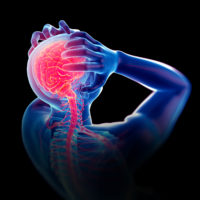
Evaluating and Treating Headaches After Brain Injury
Headaches are extremely common after a traumatic brain injury, but there are various treatments that vary depending on the phenotype or cause.
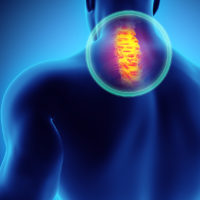
Check the Neck after a Brain Injury
Whiplash and cervical strain occurs when a person’s head and neck are forced back and forth, injuring soft tissues of the neck. They are common after brain injuries.
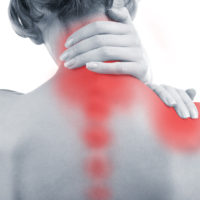
Three Alternative Treatment Modalities to Ease Brain Injury Associated Symptoms
Conventional treatments like medications may not help symptoms after a brain injury. Complementary or alternative treatments may help.

Treatment and Prognosis after a Concussion
Learn about treatments for post-concussion symptoms—including medication, various rehabilitation therapies, neuropsychology, and potentially some complementary therapies—as well as factors related to longer concussion recovery times.

3 Things to Do to Allow Your Brain to Recover More Quickly After Brain Injury
After a concussion, people need good sleep patterns, and they also need to resume activity and exercise to aid recovery. Activities with concussion risk should be avoided, however.

Mood Disorders Such as Depression Can Complicate a Brain Injury
A traumatic brain injury can be associated with depression or another mood disorder, possibly because of the disruption of brain chemicals.
How Long Will It Take for My Child to Recover from a Concussion?
Children can experience a range of symptoms after concussion. They require individualized treatments and strategies for returning to activities and to school. A physician with training and experience in treating concussions must provide early interventions and follow-up, regardless of how long recovery takes.
Keep up to date
Get updates on the latest in concussion, brain health, and science-related tools from Dr. Elizabeth Sandel, M.D.
By clicking SIGN UP, you agree to receive emails from Dr. Sandel and agree to our terms of use and privacy policy.
